 Translate
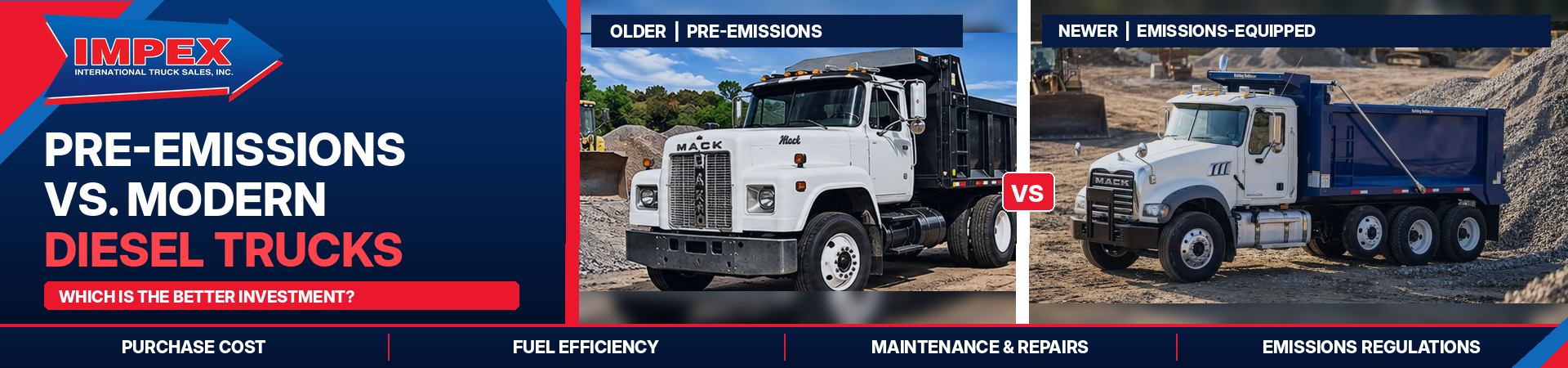
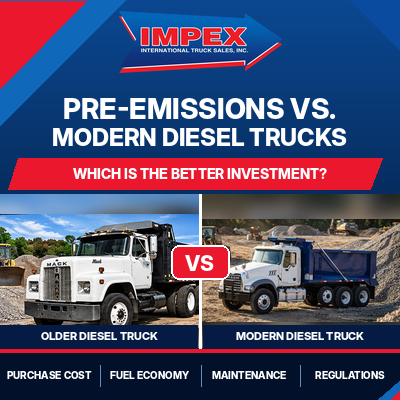
Buying a used Class 8 truck involves more than comparing mileage and asking price. An older pre-emissions diesel truck may be less expensive to purchase and simpler in certain areas, while a modern emissions-equipped tractor may offer better highway fuel efficiency, driver comfort, and diagnostic capabilities. Both can be worthwhile investments—but neither automatically delivers a lower total cost of ownership.
At IMPEX International Truck Sales in Ocala, Florida, we encourage buyers to consider the truck's condition, intended application, operating location, and long-term expenses. Whether you're choosing a highway tractor or specifying a work-ready vocational truck, the best investment is the one matched to the job.
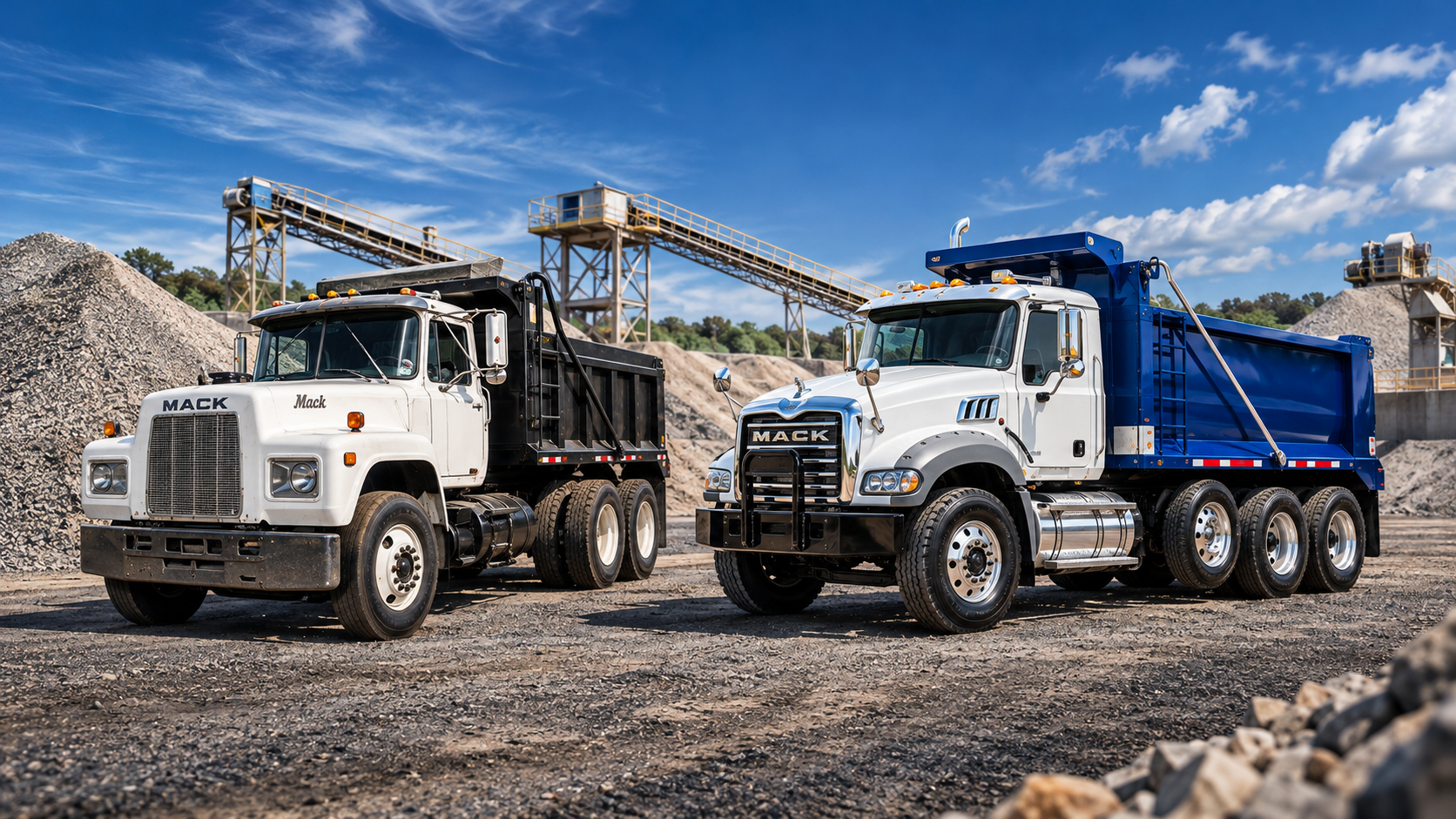
What Is a Pre-Emissions Diesel Truck?
“Pre-emissions” is a common term in used commercial truck sales, but it isn't a single official engine classification. Buyers usually use it to describe older diesel engines without the diesel particulate filter (DPF) and diesel exhaust fluid (DEF) systems associated with many modern trucks.
The timeline matters. Engines produced before 2004 generally used less extensive emissions controls. Many 2004–2006 engines introduced more sophisticated electronics and exhaust gas recirculation (EGR). DPF systems became widespread with the 2007 emissions standards, while selective catalytic reduction (SCR) and DEF became common beginning with the 2010 standards.
These are broad industry milestones, not guarantees about an individual truck. Always verify the engine certification year, emissions label, installed hardware, and any modifications before purchasing.
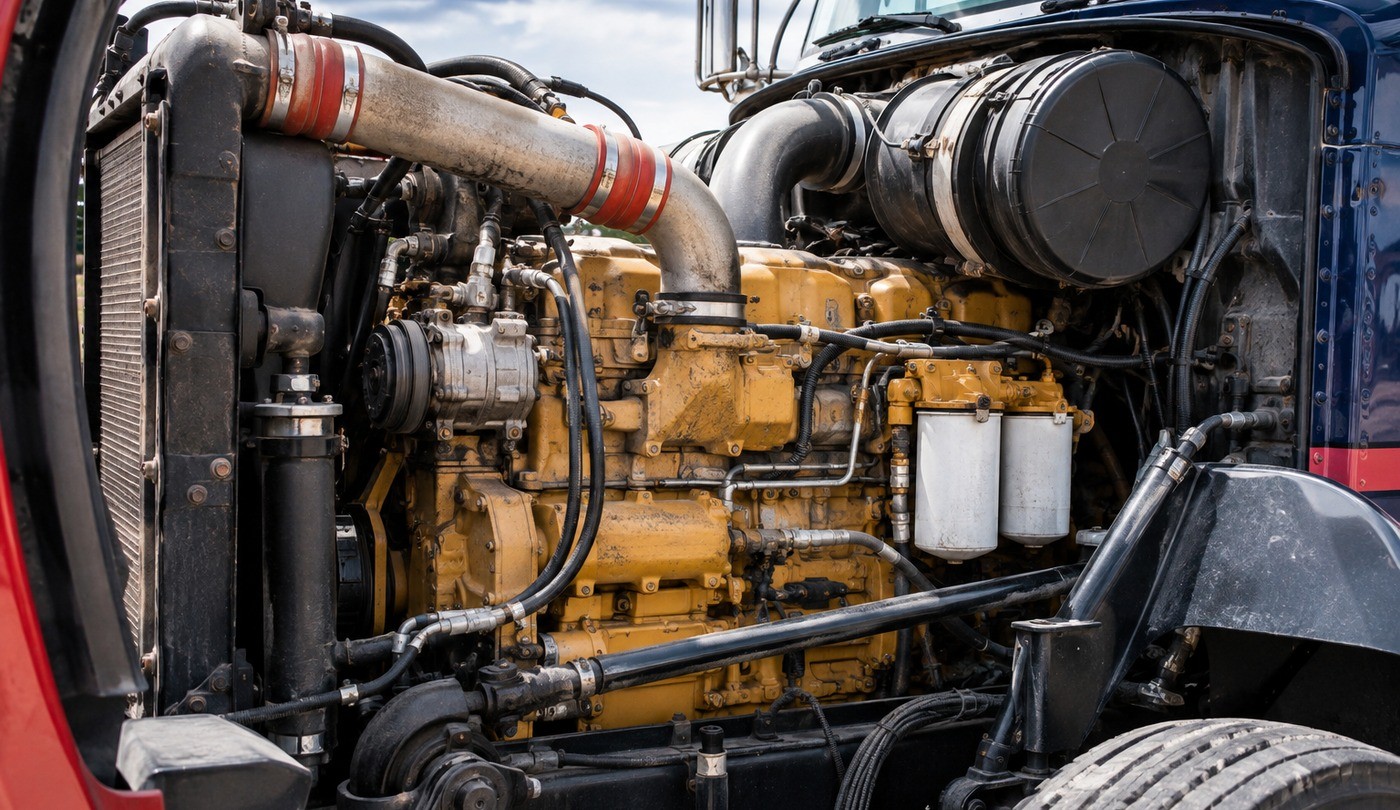
Pre-Emissions vs. Modern Diesel Trucks: The Main Tradeoffs
Why Buyers Consider Older Diesel Engines
A lower acquisition price is often the biggest attraction. Older engines may also avoid some DPF, DEF, and SCR-related service expenses. For buyers with appropriate routes, limited annual mileage, or specialized applications, that can be appealing.
But mechanical simplicity shouldn't be confused with trouble-free ownership. Age brings its own repair risks: wiring deterioration, cooling problems, worn chassis components, rust, previous repairs, and limited parts availability. An older truck without aftertreatment can still contain complex electronics and require specialized diagnostics.
What Newer Class 8 Trucks Bring to the Table
Modern Class 8 tractors may combine improved aerodynamics, optimized gearing, advanced engine controls, and safety features. On high-mileage highway routes, better fuel economy can offset part of a higher purchase price. Driver comfort and a more current service network may also matter to fleets.
Modern trucks, however, add aftertreatment systems that need proper maintenance and diagnosis. A well-documented older truck can be a better purchase than a neglected newer one. Service history and actual condition matter more than the badge or model year alone.
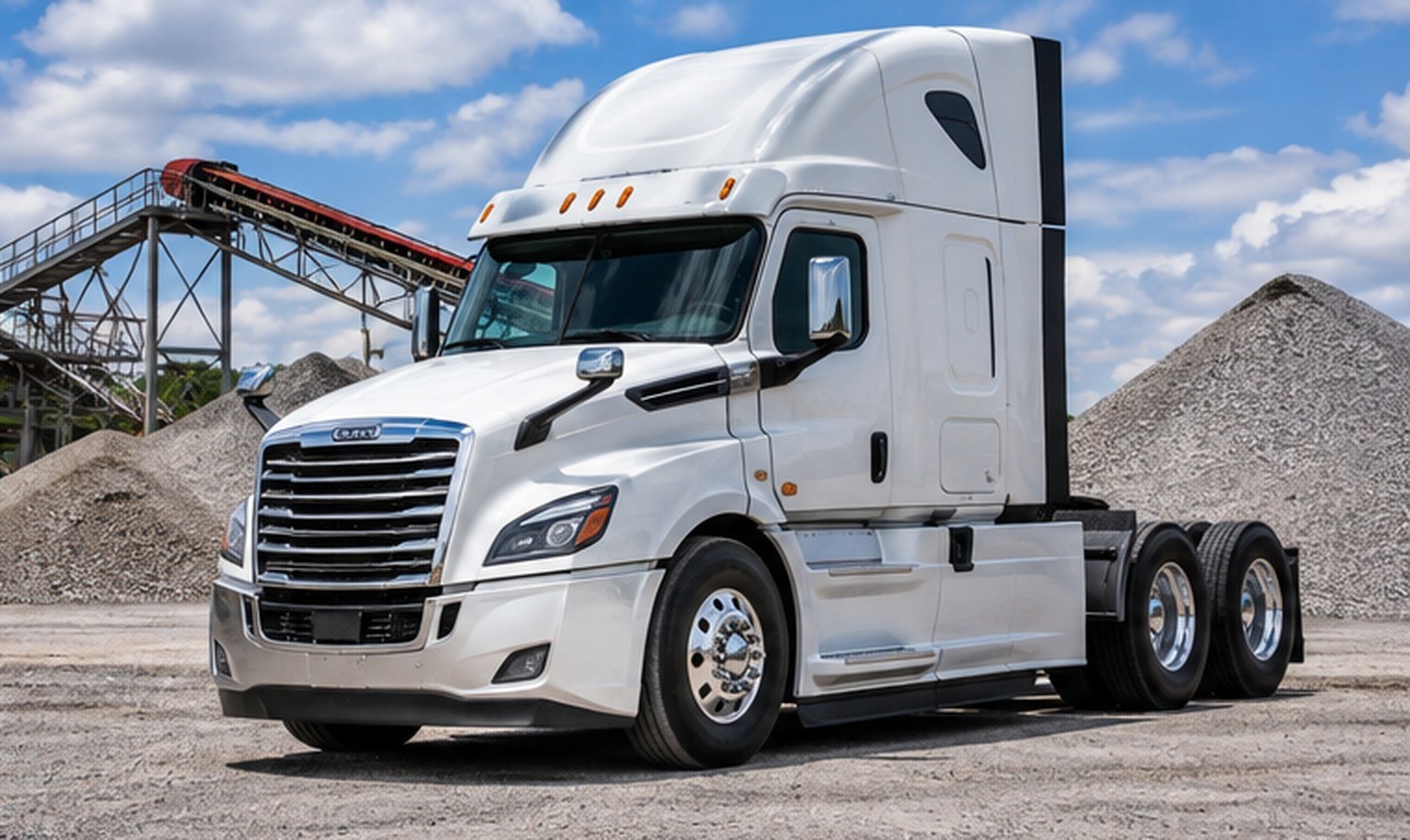
Total Cost of Ownership: Look Beyond the Purchase Price
A meaningful used diesel truck comparison should project costs over three to five years. Include acquisition and financing, fuel and fluids, preventive maintenance, unexpected repairs, tire and brake wear, downtime, and expected resale value.
A truck that costs less to buy may still cost more to operate if it spends too much time out of service.
A Practical Fuel-Economy Example
Imagine two trucks running the same route for 75,000 miles per year with diesel at $4.00 per gallon.
| Cost factor | Older diesel truck | Modern diesel truck |
|---|---|---|
| Annual mileage | 75,000 miles | 75,000 miles |
| Fuel economy | 5.5 MPG | 7.0 MPG |
| Annual fuel cost | $54,545 | $42,857 |
Illustrative comparison at $4.00 per gallon. Actual mileage and costs vary.
That's a difference of approximately $11,688 annually, or roughly $58,400 over five years.
Those MPG figures are hypothetical—not IMPEX road-test results or promises about any truck. Real consumption depends on load, terrain, gearing, speed, idle time, and driver behavior.
At lower annual mileage, the potential fuel savings shrink. The right comparison weighs those savings against purchase price, DEF, repairs, downtime, and resale value.
DPF, DEF, EGR, and SCR: What Maintenance Really Involves
Modern diesel emissions equipment serves different functions. EGR recirculates some exhaust gases to help control nitrogen oxides. The DPF traps particulate matter and periodically regenerates to burn accumulated soot. SCR uses DEF and a catalyst to reduce nitrogen oxide emissions.
When evaluating an emissions-equipped used truck, ask for available maintenance records, repair invoices, and electronic diagnostic information. Confirm that warning lights are off, check for relevant fault codes, and ask about regeneration history, DPF cleaning, DEF dosing components, and past sensor or EGR cooler repairs.
Not every aftertreatment component is a looming failure. Equally, a clean exterior doesn't prove the system is healthy.
When documentation is limited or symptoms are present, a qualified heavy-duty diesel technician should inspect the truck before purchase. Emissions equipment must remain legally configured for the vehicle's use.
Can Pre-Emissions Trucks Still Operate Legally?
This question must be answered for the specific truck and operating location. Federal requirements for new engines differ from state and local in-use vehicle rules. Some applications have exemptions; others face engine-year, registration, inspection, or route restrictions.
California is a particularly important example. Its Truck and Bus Regulation generally applies to covered diesel vehicles over 14,000 pounds GVWR and, subject to limited exceptions, requires 2010-or-newer engine technology. California's Clean Truck Check also has ongoing requirements for covered vehicles, including certain out-of-state trucks.
Before buying an older truck, confirm its engine certification, intended routes, applicable exemptions, and current requirements directly with the appropriate regulator.
Don't assume that “pre-emissions” means unrestricted operation—or that a newer model automatically satisfies every rule.
Used Class 8 Truck Inspection: Ten Areas to Check
The most useful buying tool is a complete pre-purchase inspection. Review these areas on both older and modern trucks:
- Frame and Crossmembers: Cracks, corrosion, collision repairs, and mounting points.
- Engine and Cooling: Cold start, blow-by, leaks, oil and coolant condition, and operating temperatures.
- Transmission and Driveline: Shifts, clutch or automated controls, U-joints, vibration, and differentials.
- Suspension and Steering: Airbags, springs, bushings, kingpins, and steering play.
- Brakes, Tires, and Wheels: Air system operation, brake wear, tire condition, and ratings.
- Electrical Equipment: Batteries, charging system, wiring, lighting, and safety functions.
- Emissions Equipment: DPF/DEF/SCR condition, warning lights, codes, and repair history, where fitted.
- Service Records and Diagnostics: Maintenance documentation and available ECM information.
- Vocational Equipment: Body mounts, PTO, pump, hydraulic hoses, cylinder, and tailgate operation, if installed.
- Documentation and Road Test: VIN, title, GVWR/GAWR, inspection records, and performance under load where feasible.
For older trucks, pay extra attention to fatigue and parts support. For newer trucks, add a careful review of electronics and aftertreatment history. Any claimed warranty or inspection should be verified for the individual unit.
Choosing the Right Truck for Vocational Work
Highway tractors and vocational trucks can share engine technology yet face very different demands. Construction and aggregate applications add repeated stops, uneven surfaces, axle-loading challenges, and body or hydraulic systems.
A chassis suited to long-distance freight is not automatically ideal for hauling dense material on job sites.
Bulldog Bodies: Match Body Construction to the Material
Through Bulldog Bodies, the IMPEX ecosystem manufactures heavy-duty dump bodies for construction, aggregate, and demolition applications.
Body weight, length, floor thickness, and steel grade all affect productivity and ownership costs.
Bulldog's BRAWLER, BRUISER, and GRIT configurations illustrate why abrasion-resistant VALAST® AR450 and structural steel should be selected according to the load—not simply by choosing the largest available body.
Diesel Tech & Bodyworks: Make the Components Work Together
Diesel Tech & Bodyworks provides vocational upfitting and hydraulic integration.
Correctly matching the body, hoist, PTO, dump pump, hydraulic tank, and chassis geometry is essential to safe, practical operation.
These installation capabilities complement truck sourcing and body manufacturing, helping customers develop equipment suited to their applications.
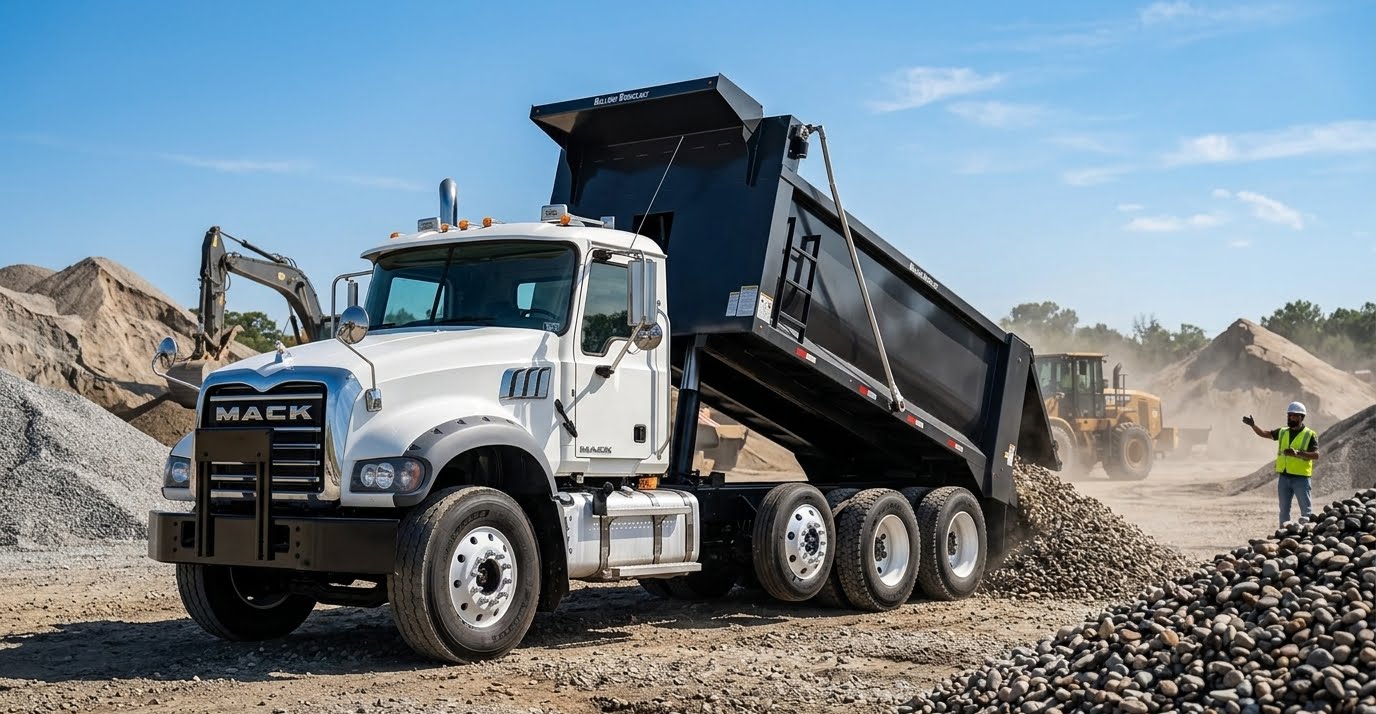
Why Work With IMPEX International Truck Sales?
Family-owned since 1994, IMPEX International Truck Sales serves contractors, fleets, municipalities, dealers, and export buyers from Ocala, Florida.
Our approach connects equipment selection with the broader capabilities of Bulldog Bodies and Diesel Tech & Bodyworks.
That means buyers can consider not only which used Class 8 truck to purchase, but also how to configure it for real work.
A good buying decision starts with honest specifications, available documentation, a realistic ownership budget, and a clear understanding of where the truck will operate.
These are more valuable than broad promises that one engine generation always wins.
Frequently Asked Questions
Are Pre-Emissions Diesel Trucks More Reliable?
Not automatically. They avoid certain modern aftertreatment components, but age, maintenance, prior use, and parts availability can introduce other risks.
Are Modern Diesel Trucks Cheaper to Operate?
They can be, especially on high-mileage highway routes. Actual savings depend on purchase cost, fuel economy, repairs, financing, downtime, and resale value.
Does a Bigger Dump Body Increase Legal Payload?
Not necessarily. Cubic yards measure volume; legal payload depends on axle and weight ratings, tare weight, material density, and applicable rules.
Find the Right Truck for Your Operation
The best used truck isn't always the cheapest or newest. It's the one that meets your duty cycle, budget, maintenance expectations, and regulatory requirements.
Explore available trucks at https://impextrucks.com/inventory/ and ask our team about chassis selection, Bulldog Bodies options, and Diesel Tech & Bodyworks upfitting capabilities.
The right equipment. The right configuration. One accountable partner.
Call us now for any questions or to check truck availability - (352) 351-3323
Heavy-Duty / Vocational Truck Sales - IMPEX International Truck Sales, Inc. : https://impextrucks.com/inventory/
Custom Steel Body Manufacturing - BULLDOG Bodies, LLC : https://bulldogbodies.net/
Professional Truck Up-Fitting Services - DIESEL-TECH & Bodyworks, LLC : https://www.centralflupfitters.com/